
On-Site Reality, Numbers in Hand
I’ve spent over 18 years buying, building, and nursing grid-scale batteries through rough weather and tougher markets. Utility scale battery storage is not just hardware; it’s dispatch confidence measured minute by minute. When I say utility scale storage solutions, I’m talking about the hard graft of marrying power converters, EMS logic, and warranty curves so the plant doesn’t blink when the grid calls. Let’s define the frame: deliver scheduled megawatt-hours without asset abuse, stay inside thermal limits, and keep the state of charge sane under changing price signals. No faff, no fluff (and yes, we’ll keep it plain as pie). Look sharp at the simple parts, because that’s where most projects trip first.
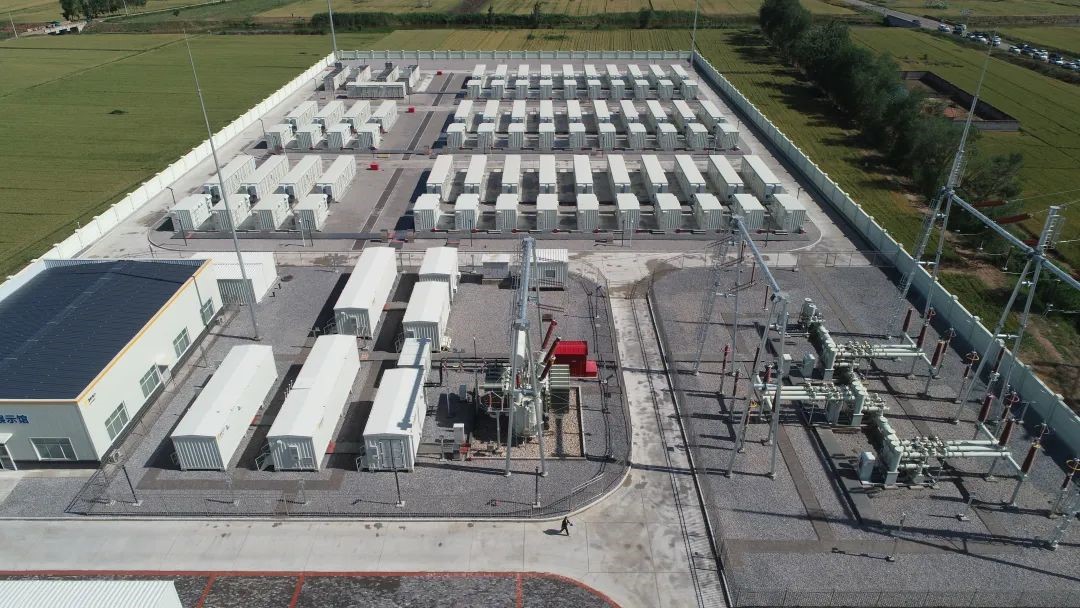
Picture this: 50 MW/100 MWh, day-ahead cleared, sunrise ramp pressure on interconnect, N-1 tight. At 05:42, the EMS holds 62% SOC, inverter fans at 74%, reactive support capped by the grid code window. We saw 3.1% round-trip drop during a two-hour arbitrage block and a stubborn 6 MW derate due to cabinet temps. That was February in Essex, not midsummer. The data’s tidy; the outcome isn’t. So I ask: why are good plants under-delivering on good days? Next up, we cut into the bits that don’t meet their promises, and why.
Where the Old Fixes Fall Short
Most “proven” playbooks rely on three ideas: oversize the rack, slow the ramp, and hope the BMS keeps the cells happy. I’ve watched that brew fall flat. In 2019 near Sittingbourne, a 30 MW block lost 4.2 MWh over two mornings because the EMS held a conservative SOC floor after a minor frequency event—harmless on paper, but it forced back-to-back clipping during the peak. The valves were fine; the logic was timid. Another classic: PCS derates at 35°C because the air-cooled container cannot hold delta-T under a long discharge. On a July afternoon in 2022, our 99 MW site at Teesside shed 11% for an hour; fans screamed, BMS stayed within spec, yet the power converters throttled—nobody wins when the AC side blinks first. And HMI lockouts that hide string-level faults? That’s a mug’s game for O&M: you chase ghosts while the clock eats your revenue.
Compare that with plants that run edge computing nodes close to the EMS and let string-level controllers negotiate fast. Faster SOC reconciliation, fewer false derates, tighter droop curves. We shifted from centralized PCS to string inverters on a 20 MW tranche in 2021 and cut availability dips by 0.7% across warm spells—tiny on a slide, real on the ledger. Even reactive support held steadier with a cleaner Q/P map. The headline is simple: legacy “add margin” tactics pile up cost without buying certainty. Margin is not a strategy—it’s a bandage when your controls and cooling are behind the job.
Comparative View: Design Principles That Actually Move the Needle
What’s Next
Here’s what’s beating the old habits, side by side. Liquid-cooled racks with well-placed manifolds hold cabinet delta-T under 8°C even during 1C pulls; air systems rarely do that without noise and early derates. String inverters let you quarantine a misbehaving string without tanking a full block; centralized PCS can turn one gremlin into a plant-wide sulk—seen it too many times. EMS tuned with cell-level SOC roll-ups every 60 seconds can push a tighter charge window than a 5-minute average; that alone stopped one of my Kent sites from hoarding SOC before the evening peak. And with grid codes leaning harder on fast frequency response, tight droop control matters more than a pretty nameplate. The fast path is practical: targeted thermal design, fine-grained visibility, and control loops that don’t drag. I still prefer systems that show raw string data to site operators—black boxes don’t pay for themselves.

We’ve also seen the commercial side shift. Contracts now pay for accuracy at the fence, not just capacity on paper. When we tested an 8-hour LFP stack in West Sussex last May, we held 0.2% better availability during a hot spell simply because the cooling loop kept headroom for VAR support while discharging—no heroics, just good plumbing. The quiet upgrade is in coordination: EMS, BMS, and power converters agreeing on limits in near real time. Toss in basic firmware discipline and a fault taxonomy that operators can read without a diploma, and your plant stops tripping on Tuesdays. If you want a place to start, have a butcher’s at utility scale storage solutions that bake these principles into container layout and control policy—then compare logs, not brochures. You’ll see the difference in how the plant breathes under load—straight away, not after a quarter.
Practical Close: Three Metrics I Trust When Choosing a System
I don’t buy on slogans; I buy on proof that survives July and January. First, thermal stability under sustained discharge: demand a verified cabinet delta-T profile at 35°C ambient and 0.8C discharge, plus any PCS derate thresholds. Second, control fidelity: require string-level telemetry granularity, SOC reconciliation cycle time under 90 seconds, and documented droop behavior with ±1% tolerance. Third, service clarity: enforce open fault codes down to the rack and a spares plan that covers fans, pumps, and contactors with measured swap times. Those three parameters prevent the usual slow bleed—lost MWh, nuisance alarms, and padded O&M. I’ve walked yards at dawn where the meters purred and nobody was sweating—because the basics were sorted and the logs told the truth. That’s the bar I keep, and it’s the bar I suggest you set, whether you’re a utility procurement lead or a developer with skin in the game. If you want a grounded starting point without the runaround, I’ve seen steady hands at HiTHIUM.