
Introduction — a short scene, a stat, and a question
I once stood on a concrete floor smelling ethanol and fabric softener as lines of towels slid past me. The factory buzz felt both hopeful and fragile. (Many teams feel the same.)
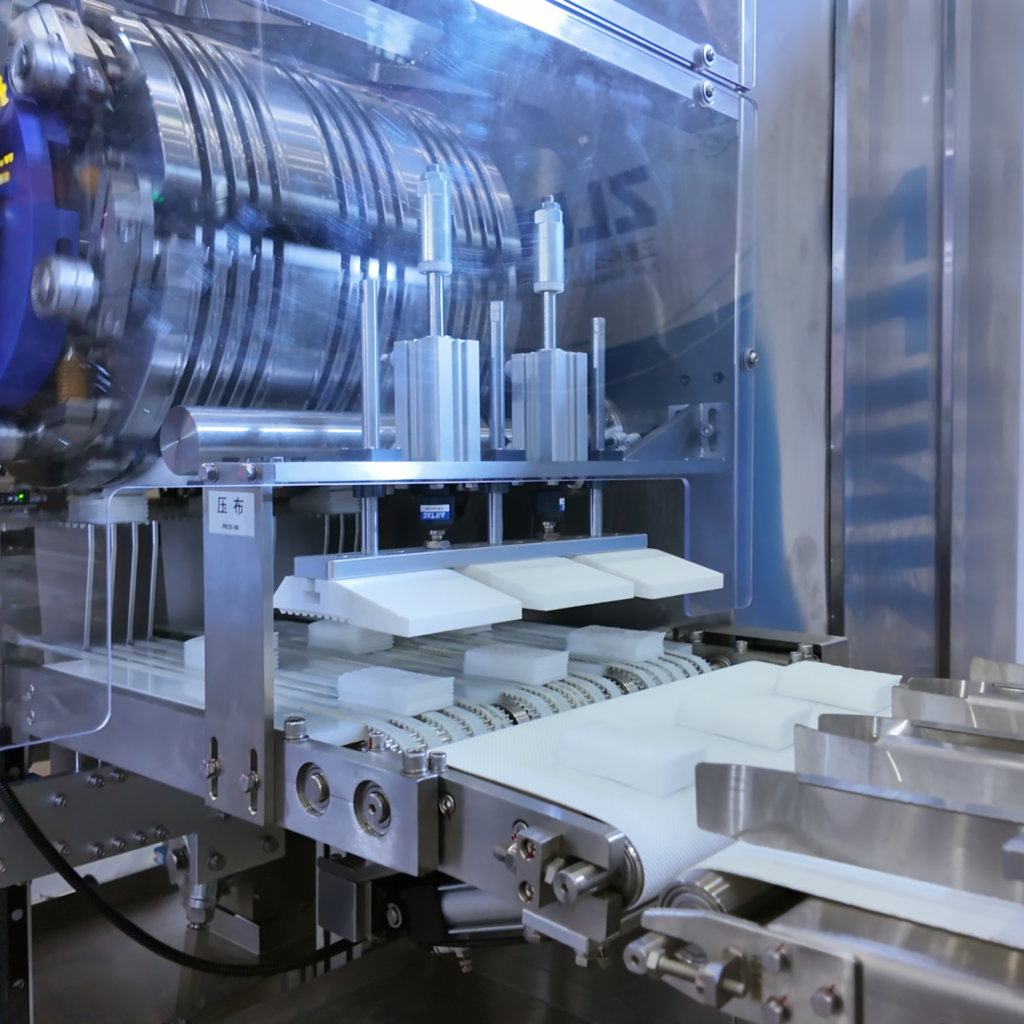
Today the phrase wholesale wet wipe production line appears in every procurement brief I read. Market reports say demand keeps rising and buyers expect cleaner packs, more automation, and faster changeovers. Those trends push teams to act fast. So where do you start without breaking the plant — or your budget?
I’ll share what I’ve learned the hard way. I care about efficiency and the environment, and I want solutions that last. In the next section I’ll dig into why the usual fixes often miss the point — and what that means for your next purchase.
Part 2 — Why the standard fixes fall short
china wet wipe packaging machine wholesale is the keyword I kept seeing in supplier lists when teams tried quick upgrades. Many jump on the same machines thinking they’ve solved throughput or quality. That rarely works. I’ve learned that upgrades often ignore real constraints: legacy PLC controllers that can’t handle new I/O, misaligned servo motors that introduce waste, and poor material handling that ruins bonds. Look, it’s simpler than you think — bad root causes hide behind shiny specs.
So what’s really breaking down?
Two quick examples: first, people buy a faster filler but keep the same conveyor layout. The filler speeds up and material jams increase. Second, companies retrofit ultrasonic bonding heads but don’t test for moisture variance. The result is weak seals. Those are not mysterious issues; they’re system mismatches. I’ve seen teams waste months chasing symptoms — funny how that works, right? If you ask me, you must map the whole line: sensors, motion control, and the human steps. Then decide which upgrade truly fixes the bottleneck.
Part 3 — Moving forward: principles and metrics for choosing upgrades
When I plan upgrades now, I focus on principles, not buzzwords. Start with modular design. Aim for predictable interfaces (I mean clear electrical and mechanical handoffs). Consider edge computing nodes for local data filtering, and ensure power converters and drive systems match peak loads. If you’re comparing suppliers — including options tied to china wet wipe packaging machine wholesale models — ask for real cycle data, not marketing projections. Short trials beat long promises. — you’ll thank me later.
What’s next — practical steps
Here are three metrics I use when evaluating any upgrade: 1) Effective throughput gain (real cycles per hour, not theoretical), 2) Mean time to repair (spare parts and skills needed), and 3) Net waste reduction (material and rework). I weigh each metric against payback and environmental impact. We avoid one-off fixes and instead choose solutions that reduce waste and lower energy per pack. That approach keeps costs down and helps customers who care about sustainability. In short: measure, test, and then buy. I still get excited when a simple layout change saves time — and money — at the same time.
If you want a clearer checklist or a short pilot plan, I’ve sketched plenty. Reach out, and we can walk through a line map together. I’ll point out the usual traps and some small wins that matter. — honest advice, from someone who’s been elbow-deep in wipes and wiring.
For practical equipment options and support, I often look to companies I trust. If you’d like a vendor starting point, consider ZLINK.