
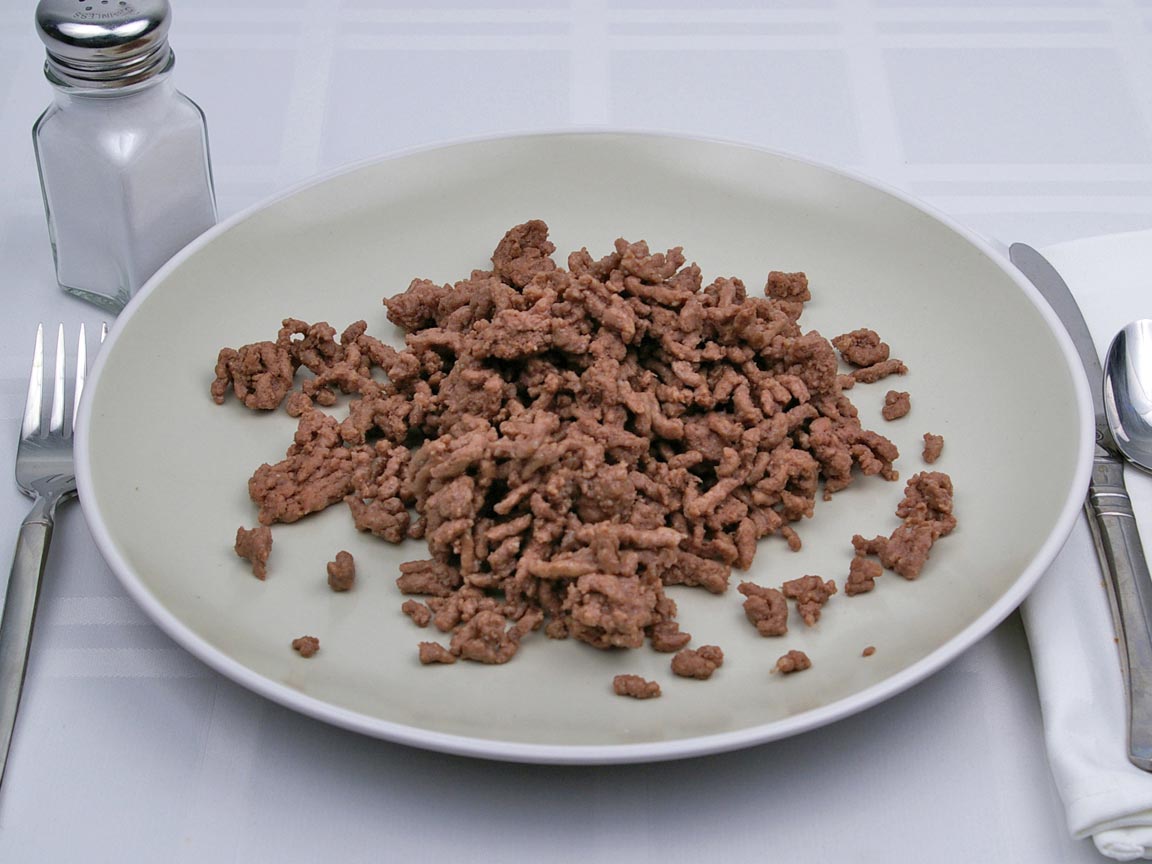
Ground beef is a versatile ingredient found in many dishes, from burgers and meatballs to tacos and casseroles. Understanding its caloric content and nutritional profile can help you make informed decisions about its place in your diet.
Ground beef is available in various fat-to-lean ratios, such as 70% lean, 80% lean, 85% lean, and 90% lean. These percentages indicate the amount of lean meat relative to fat. For instance, a three-ounce serving of 70% lean ground beef typically contains about 235 calories. In contrast, the same serving of 90% lean ground beef has approximately 180 calories. ground beef nutrition The variance in calories is due to the differing fat content; fat provides more calories per gram compared to protein. Thus, leaner ground beef has fewer calories.
Beyond its caloric content, ground beef offers several essential nutrients. It is a significant source of high-quality protein, crucial for muscle growth, repair, and overall bodily functions. A three-ounce portion generally provides around 20 to 22 grams of protein. Ground beef also supplies important vitamins and minerals, including vitamin B12, zinc, selenium, and iron. Vitamin B12 is vital for nerve function and red blood cell formation, while iron is essential for oxygen transport in the blood. Zinc and selenium play critical roles in immune function and antioxidant defense.
Despite its nutritional benefits, the health implications of ground beef, particularly higher-fat varieties, should be considered. Diets high in saturated fats, which are prevalent in fattier cuts, can contribute to elevated cholesterol levels and an increased risk of heart disease. Therefore, health experts recommend opting for leaner ground beef options and incorporating them into a balanced diet that includes a variety of protein sources, such as poultry, fish, legumes, and plant-based proteins.
Cooking methods significantly impact the calorie and fat content of ground beef dishes. Techniques such as grilling, broiling, or baking allow some fat to drain away, reducing the final dish’s fat and calorie content. Conversely, frying ground beef or cooking it with added oils can increase both calorie and fat content. Draining excess fat after cooking can further decrease calorie content, making it a healthier choice.
Portion control is another crucial aspect when consuming ground beef. A standard serving size is typically three ounces, roughly the size of a deck of cards. Being aware of portion sizes helps prevent excessive calorie intake and supports a balanced diet. Measuring portions and being mindful of serving sizes are effective strategies for managing calorie consumption and achieving dietary balance.
Integrating ground beef into a diet requires careful consideration of its caloric content and nutritional value. When prepared with healthier methods and combined with nutrient-dense foods, ground beef can be part of a well-rounded diet. Combining it with vegetables, whole grains, and other sources of protein enhances the overall nutritional profile of meals while managing calorie intake effectively. By making informed choices about the type of ground beef, cooking methods, and portion sizes, individuals can enjoy its flavor and nutritional benefits while maintaining a healthy lifestyle.