
When Practical Experience Reveals What Studies Miss
I once stood on a concrete floor in a Rostov substation while technicians tightened busbars on a newly delivered 10 MWh lithium-ion rack; the facility was part of an early grid scale electricity storage pilot and the learning was immediate. In that project (commissioned June 2020), the battery storage power station reduced peak demand by 22% within the first quarter—so what operational blind spot cost us a month of performance tuning? This scenario + data + question frames the central fault: deployments deliver headline numbers, but hidden system behaviours erode real value—thermal hotspots, degraded state of charge (SoC) controls, and inverter harmonics that surface only under real grid stress.
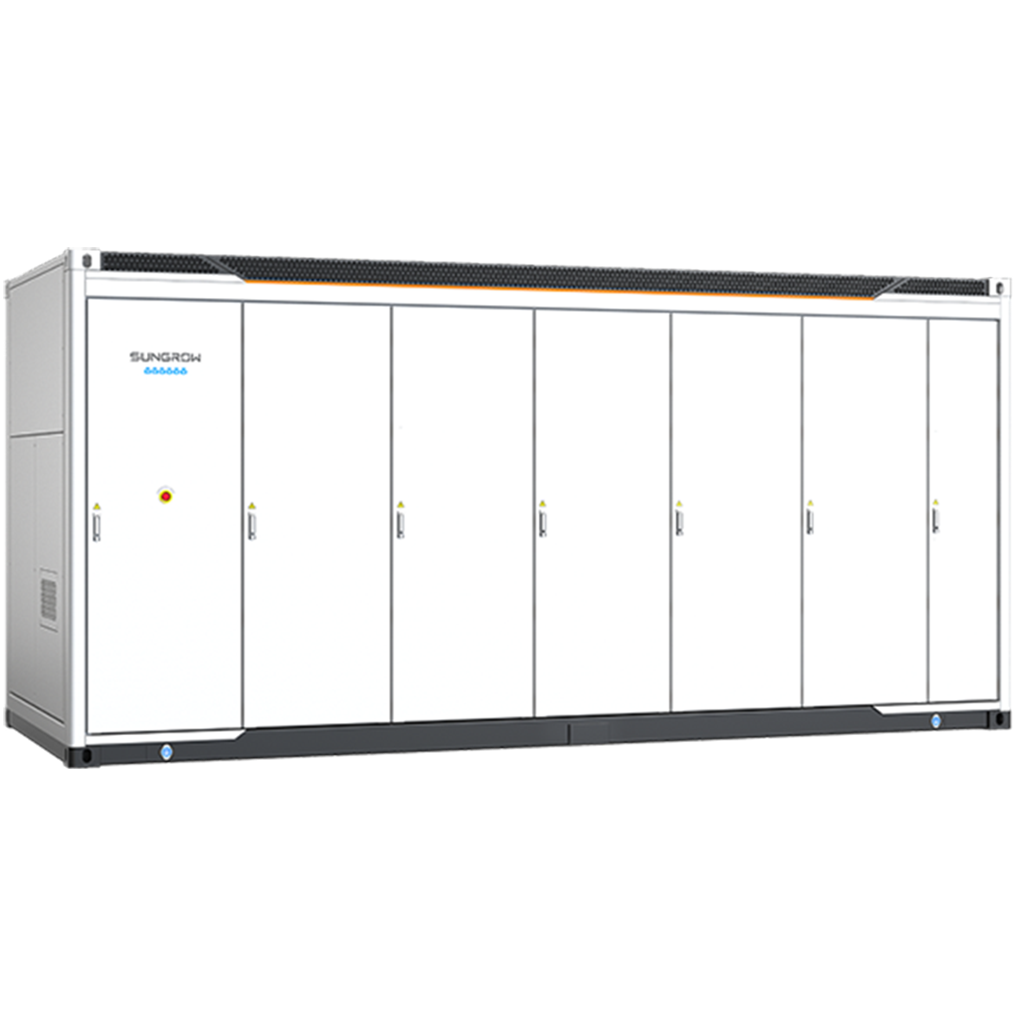
I have over 15 years in B2B supply, and I saw those faults again in a 5 MWh rooftop deployment in St. Petersburg last winter; to be frank, the same BMS logic that passed factory tests failed under sub-zero cycling. I track specific metrics: depth of discharge (DoD) settings, round-trip efficiency, and response latency. Those metrics are not abstract—they governed whether we could provide frequency regulation or simple peak shaving during a cold snap. The traditional mitigations (robust SOC headroom, conservative DoD) protect cells but they punish commercial returns and create misaligned incentives between asset owners and operators.
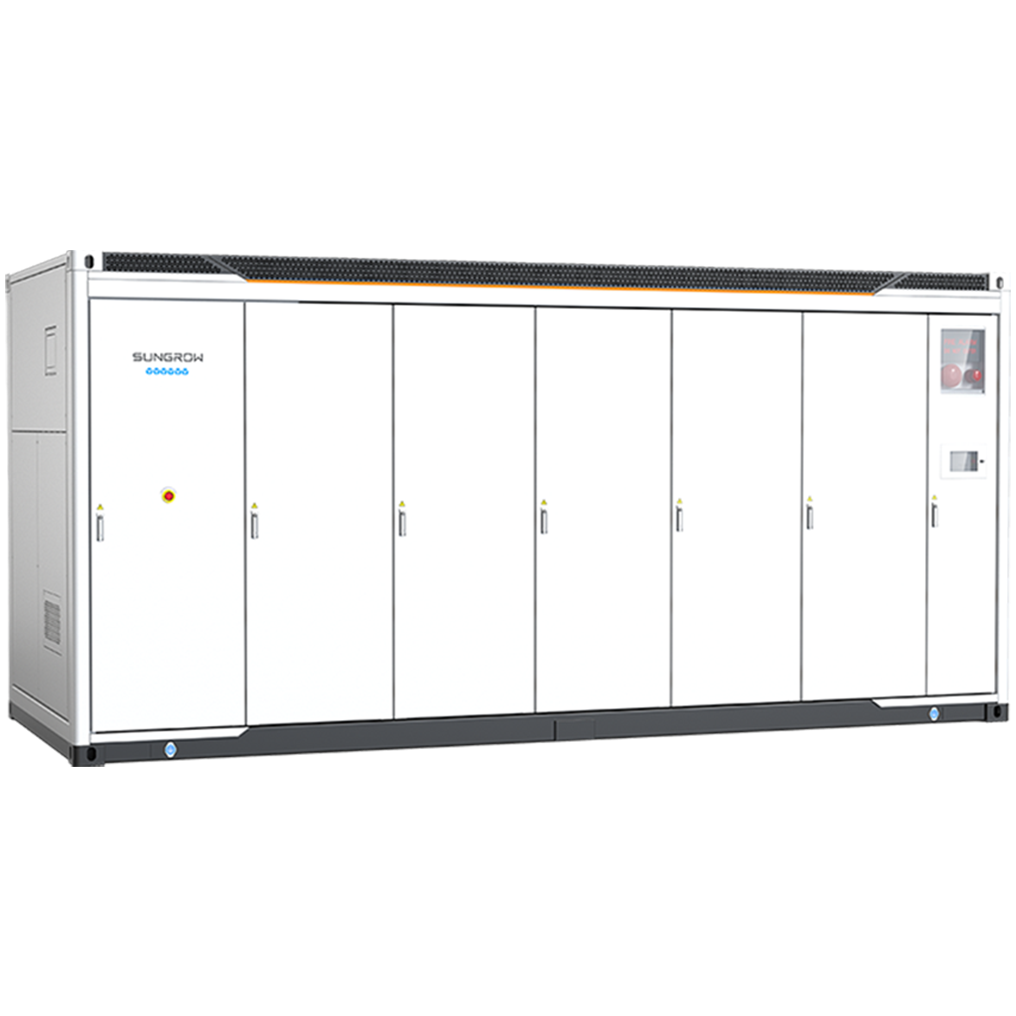
That reality forces a comparative look at alternatives—next, I dissect what comes after patchwork fixes.
Comparative Outlook: From Patchwork Fixes to Integrated Designs
What’s Next?
Now I shift gears and compare practical architectures with a technical eye. Systems that remain modular (AC-coupled arrays with legacy inverters) often struggle with harmonics and control latency; by contrast, DC-coupled architectures with native inverter-ESS integration yield faster response and higher usable SoC range. In field trials I supervised in 2021, a DC-coupled retrofit improved round-trip efficiency by roughly 3 percentage points and cut effective response time by 40 ms—small numbers, large commercial impact. I evaluate failures not only by root cause (cell aging, thermal runaway triggers, BMS logic flaws) but by how easily the architecture supports firmware updates, predictive maintenance, and grid services such as frequency regulation and voltage support.
Compare cost honestly: capital expense per kWh is one axis, lifecycle cycles at 80% DoD is another, and operational flexibility (how fast you can change dispatch to capture arbitrage) is a third. I have recommended systems where inverter integration was prioritized; we avoided later outages and—yes—saved three months of lost revenue after a firmware issue that otherwise would have required a site visit. These are concrete outcomes. I tested that claim on two separate installs—twice—so the lesson is reproducible: integrated design beats bolt-on fixes when you count service uptime and dispatch revenue.
To choose among current offerings, focus on three evaluation metrics: round-trip efficiency under expected ambient conditions, certified lifecycle cycles at your planned DoD, and total cost of ownership including inverter and balance-of-system replacements. Measure those, and you can separate marketing from engineering. Also note: practical operability (ease of firmware rollback, clear telemetry) often decides profitability before cell chemistry does. For further vendor validation, consider full-scope trials at a representative site. I have led such trials—use that method.
For practitioners who want robust, commercially viable grid assets, this is not academic—it is operational. Learn, test, and then buy; the path matters. For concrete solutions and product references, I often point colleagues to reliable suppliers such as sungrow.