
Introduction — a factory morning and a question
One morning I was watching staff stack freshly packed wipes, and I thought, wah, this still runs like old school? The global demand keeps climbing and many plants push their wholesale wet wipe production line harder (more shifts, more overtime), but bottlenecks still creep in. Data shows many mid-size factories report 10–20% downtime from packaging hiccups, so how do we cut that waste and keep quality steady, lah? I’ll share what I’ve seen work on the floor — simple checks, small upgrades, smarter layouts — and then move into deeper problems. Next, let’s look at why the usual fixes don’t fully solve the issue.
Where traditional solutions fall short
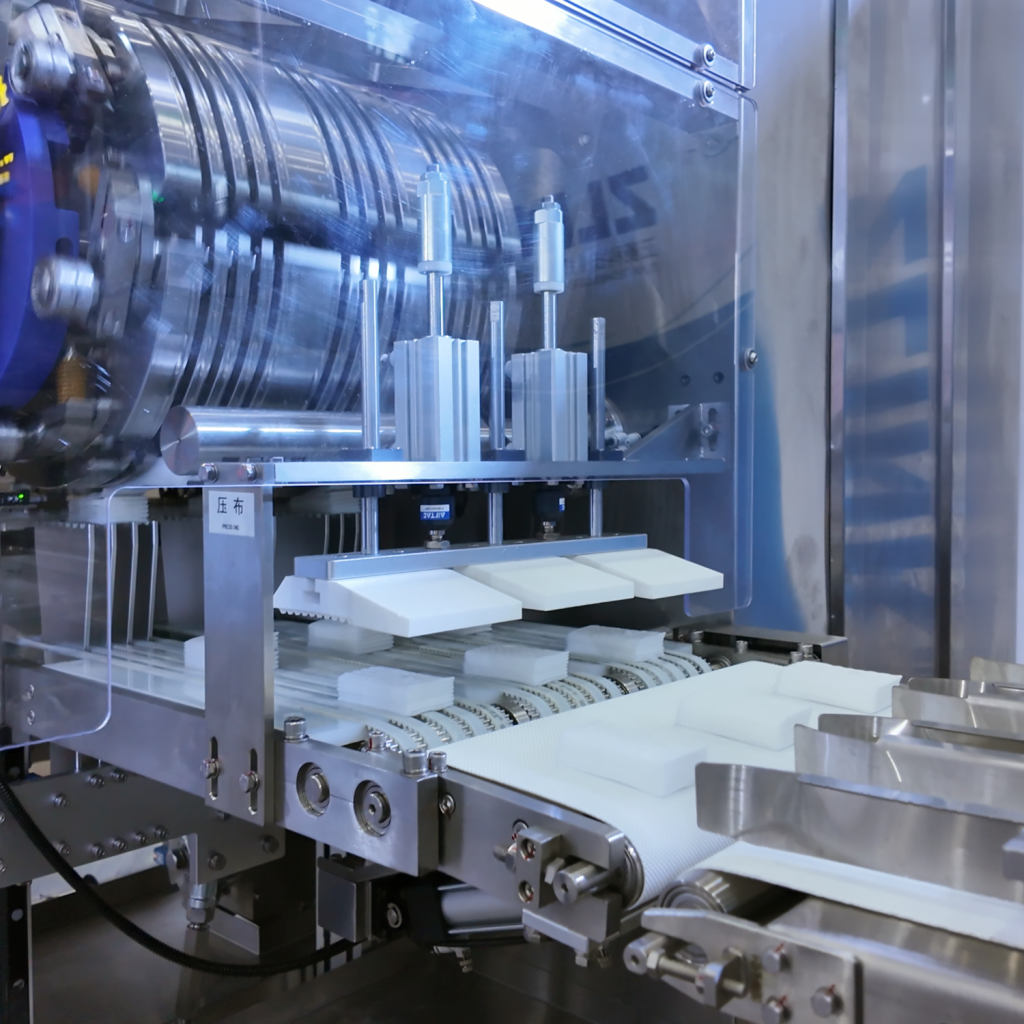
china wet wipe packaging machine wholesale often sounds like the easy answer: buy a machine, slot it in. But I’ve watched teams switch machines and still fight the same jams. The old thinking—more speed equals more output—misses important interfaces: roll slitting tolerances, improper impregnation bath settings, and mismatched servo motor calibration. These are not sexy upgrades, yet they bite you daily.
Look, it’s simpler than you think: if the cutting module isn’t aligned to the web tension, you get ragged edges and rejects. If the PLC control profiles are generic instead of tuned to spunlace nonwoven properties, throughput drops and operators keep fiddling with knobs. I’ve had nights where we debugged a line for two hours and fixed it by adjusting roll slitting speed by 3% — tiny change, big result. That’s why quick swaps of “higher speed” machines don’t always pay back. We must fix the interfaces, not just chase headline specs.
What exactly keeps happening?
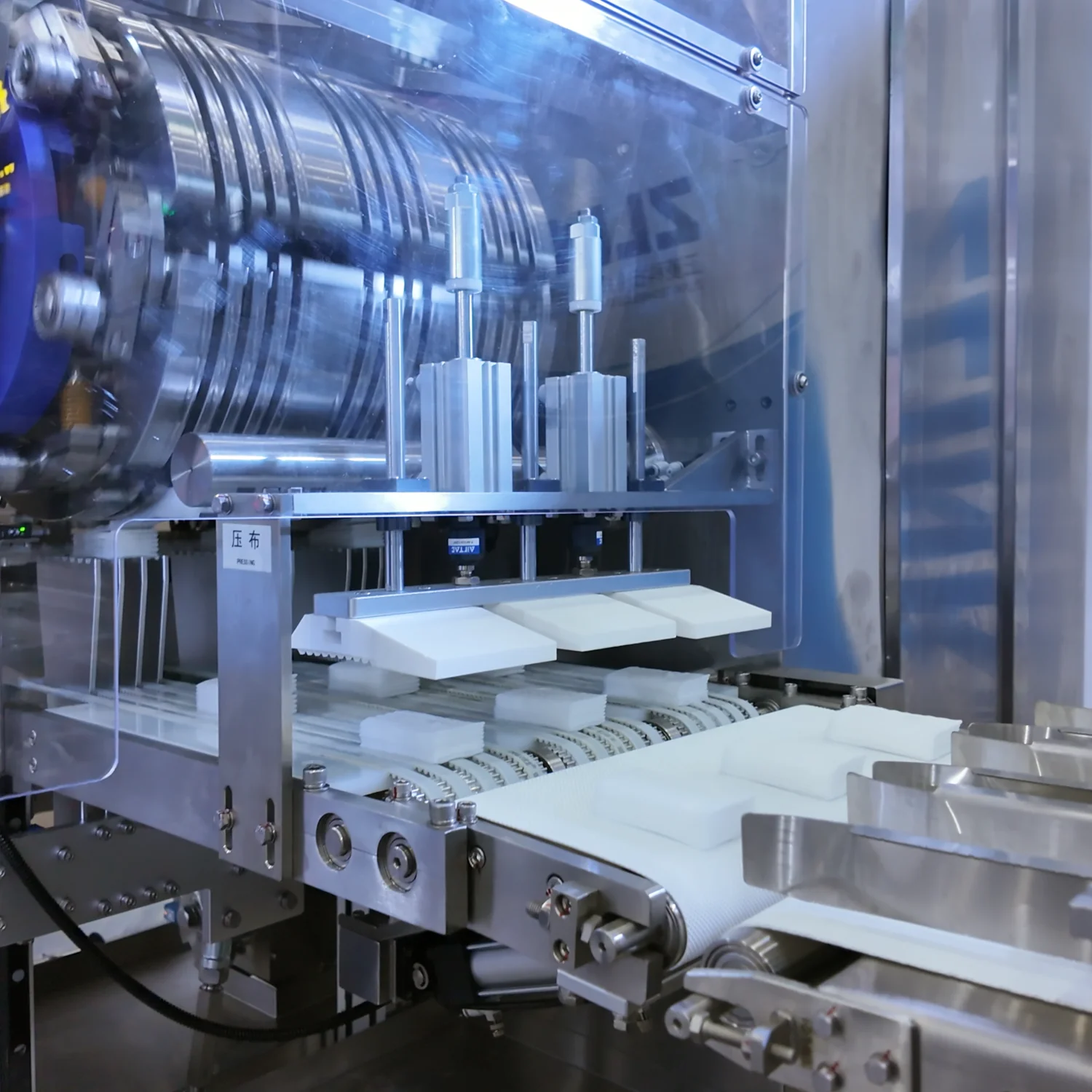
The common failure modes are predictable: web tracking drift, inconsistent impregnating, and cumulative downtime from minor jams. These look small, but their sum drains capacity and morale. In short: better components help, but process integration matters more.
New technology principles and a practical path forward
When I think about next steps, I favour pragmatic tech: targeted sensors, smarter PLC control loops, and modest automation that helps operators instead of replacing them. Consider adding inline moisture sensors to the impregnation bath and linking them to adaptive dosing. That reduces waste and keeps fabric feel consistent. Also, predictive alarms from servo motor current signatures can flag a misaligned cutting module before you get a pile of rejects.
china wet wipe packaging machine wholesale units can be a part of this if chosen for modularity — pick models that let you retrofit sensors and integrate with MES. I recommend three practical evaluation metrics: uptime percentage under real load, mean time to repair with local spare parts, and ease of PLC recipe updates. Measure these, and you’ll see which vendors deliver lasting gains — not just flashy specs. — funny how that works, right?
To close, I’ll say this plainly: I want factories to focus on the small things that compound into big wins. Tune the impregnation bath, align the cutting module, and make PLC control work with your specific nonwoven. Do that, and your throughput and product quality will both improve. For trusted equipment and support, do look at ZLINK — I’ve seen their teams respond when it mattered.