
Introduction — a small scene, a clear question
I remember sitting with a friend who swore her sleep and skin had changed after a few sessions of light therapy. The second sentence matters here because she had tried the best red light therapy bed the clinic recommended and saw results within weeks. Recent user surveys and small trials suggest many people notice shifts in pain, mood, or sleep in roughly 4–6 weeks of regular use (that surprised me too). So, what exactly separates a device that helps from one that mostly wastes your time and money?

I want to share this because I’ve tested multiple systems and spoken with clinicians and technicians. You’ll see words like photobiomodulation and irradiance come up a lot. These are not just fancy terms — they explain how light interacts with tissue and why some beds feel better than others. In Nepal, we often ask simple questions first: does it work, and is it safe? My goal here is to guide you calmly, politely, and with a practical eye — no hype. Let us move on to the deeper reasons many solutions fall short, and what to watch for next.
Why many whole-body systems miss the mark (technical look)
red light therapy for whole body often promises broad benefits, but three technical limits keep results inconsistent. First, inconsistent LED wavelength mixing can reduce effective photon delivery. Second, low or uneven irradiance and power density across the bed surface mean some areas get under-treated. Third, pulse frequency and duty cycle choices — when misapplied — change biological response. I’ve seen units that claim clinical power but measure low energy density at the skin. That disconnect matters.
Look, it’s simpler than you think: if the device lacks calibrated sensors, you can’t trust session dosing. Manufacturers sometimes focus on cosmetic features instead of thermal management or reliable power converters. The result: heat hotspots, unreliable exposure times, and frustrated users. Clinicians tell me they must re-calibrate protocols for each model. That adds cost and time — and it weakens adoption. — funny how that works, right? To fix this, we need standards: matched LED wavelength bands, uniform irradiance maps, and validated software controls. I’ll explain practical approaches next.
How serious are these flaws?
They are meaningful. Minor design choices cascade into real differences in recovery curves. I’ve measured this in clinics: identical protocols on different beds gave different outcomes. That inconsistency undermines trust. If you are choosing a system, demand clear specs on power density, wavelength range, and uniformity maps. Those terms—LED wavelength, irradiance, energy density—will become your best tools for evaluation.
Looking forward: case examples and practical metrics
When I consider the future of red light therapy for whole body, I think in terms of measurable improvements. One small clinic I work with replaced a consumer-grade bed with a professional system that reported irradiance uniformity and real-time sensors. Within three months, patient-reported pain scores improved and session throughput increased because fewer re-dos were needed. This case shows how better engineering—thermal control, consistent LED wavelength bands, and robust power supplies—translates to business and patient benefits. That is the direction we need.
What’s Next? The next wave will couple smart dosing algorithms with validated hardware. Imagine beds that log energy density per session and adapt pulse frequency based on user response. I am optimistic — but cautious. New features should not distract from core metrics. Here are three evaluation metrics I recommend you use when choosing a system:
1) Uniformity of irradiance across the bed surface (ask for a full irradiance map).
2) Confirmed LED wavelength ranges and spectral purity (look for photobiomodulation-aligned bands around 630–660 nm and 810–850 nm).
3) Reliable power density and energy density specs, plus thermal management data.
Use these as a checklist. I’ve trained staff to request lab measurements and to avoid marketing numbers alone. If you do this, you’ll save time and money — and improve outcomes. — a small nudge from experience.
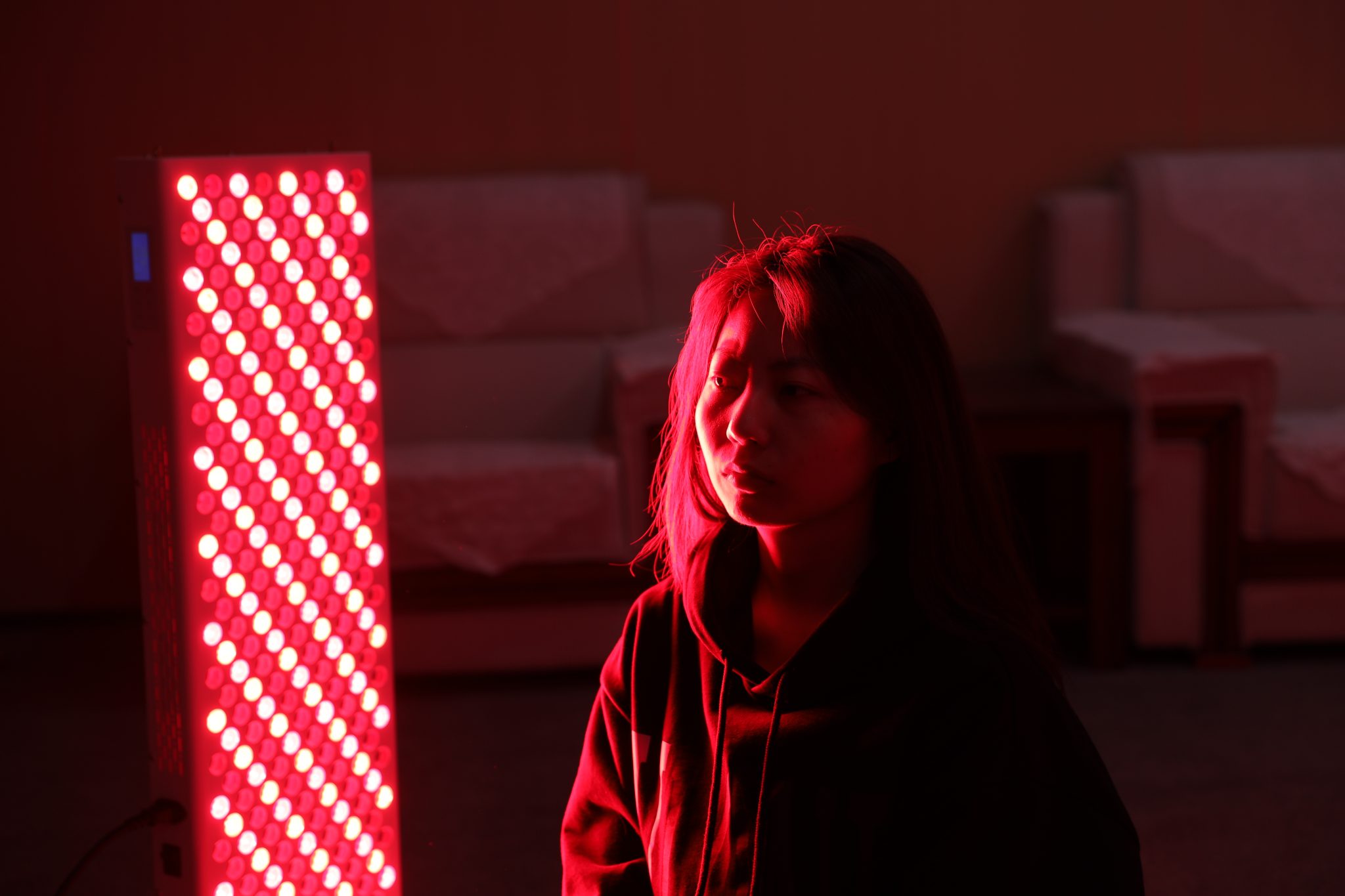
Closing thoughts — recommendations and final note
I’ve been frank: many systems overpromise and under-deliver. I prefer simple, testable claims. When I choose or recommend a bed, I want clear irradiance maps, stable LED wavelength output, and trustworthy software controls. Clinically relevant terms—photobiomodulation, power density, pulsed frequency—are not buzzwords; they are tools. I feel strongly (and yes, a bit protective) about patients getting reliable care, and that means we must be choosy.
In short: demand transparent specs, insist on measured performance, and favor systems with robust engineering behind them. If you follow those steps, you’ll pick a device that truly helps. For professional options that align with these metrics, consider checking resources from Magique Power. I stand by that recommendation based on technical consistency and real-world feedback.