
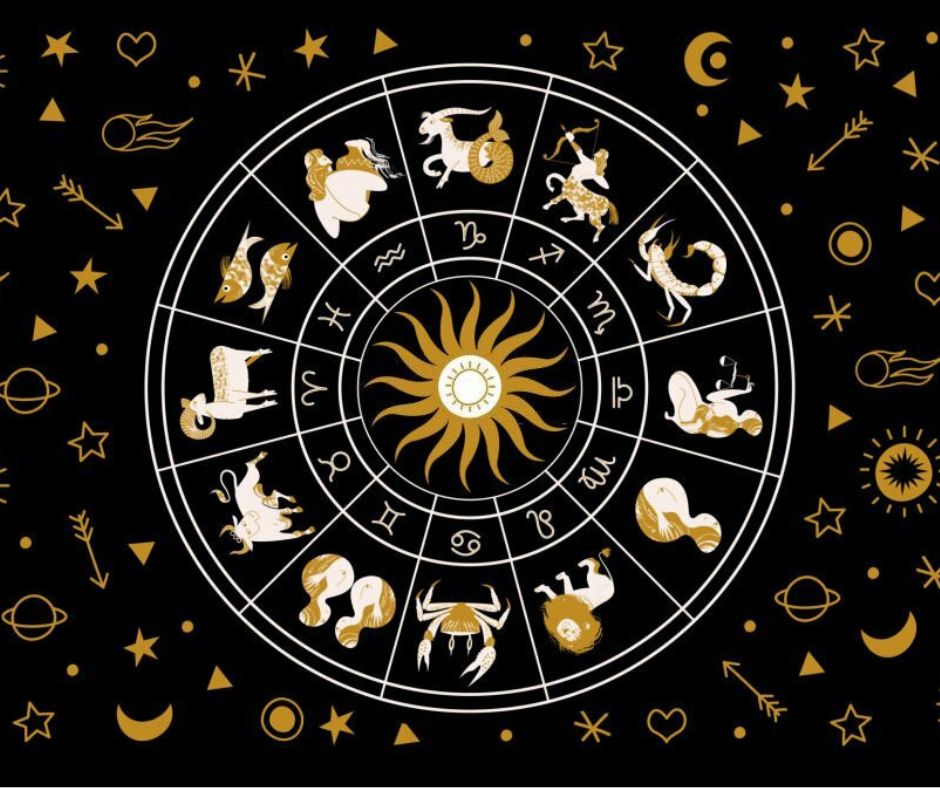
Astrology, often seen as a mystical art earmarked for horoscopes and zodiac prophecy, has a further and more unique connection to mental health than most people realize. At its core, astrology is a study of the celestial bodies and how their positions at the time of our birth influence our individuality, emotions, and life experiences. When explored considerately, astrology can offer valuable information into our inner industrys, helping us better understand our mental patterns, emotional triggers, and overall well-being. The planets, signs, and houses in our birth graphs act as For Vedic Astrologer use this page mirrors, reflecting parts of ourselves that may otherwise remain hidden under the surface of everyday consciousness.
In recent years, there’s been an expanding recognition of astrology as a tool for self-awareness and emotional healing. Many individuals have considered astrological tellings not just for entertainment, but as a way to navigate anxiety, depression, and emotional fluctuations. For instance, someone with a heavy influence of water signs like Cancer, Scorpio, or Pisces may be naturally more sensitive and empathetic, which can make them more prone to emotional overwhelm. Understanding this through astrology can verify their feelings and encourage them to develop healthier emotional limits. Similarly, someone with principal Saturn aspects may battle with feelings of inadequacy or self-doubt, and recognizing these patterns astrologically can lead to more thoughtful self-acceptance and targeted mental health strategies.
Astrology also teaches that timing matters. Just as the seasons affect nature, planetary transits and series influence human emotions and psychological states. A major astrological event, such as a Saturn Return (which occurs approximately every 29 years), often coincides with periods of intense self-reflection, upheaval, and restructuring of one’s life purpose and mental frameworks. Knowing when these cosmic changes are happening can provide a roadmap for understanding why certain periods feel more difficult and how far better nurture mental resilience during those times. Astrology doesn’t claim to switch therapy or medical involvement, but it can work alongside traditional mental health practices, offering spiritual information and a greater sense of meaning to personal struggles.
Moreover, astrology highlights the uniqueness of the individual. No two birth graphs are exactly alike, which means that mental health solutions should also be personalized. Astrology cards us to move away from a one-size-fits-all thinking and instead embrace our identity when it comes to emotional and psychological care. It encourages us to honor our specific needs, acknowledge our natural strengths, and recognize areas where growth is needed. In a world that often feels overwhelming and confusing, astrology gives a cosmic framework that reminds us we are part of something greater — a massive, interconnected universe where our personal travels have significance and purpose.
In conclusion, the partnership between astrology and mental health is deeply intertwined, offering a of utilizing holistic perspective on emotional well-being. Through the lens of the stars, we can gain unique information into our inner lives, grow greater self-compassion, and line-up more closely with your authentic selves. While astrology should not be seen as a cure-all, its cosmic wisdom could be a comforting and enlightening companion on the journey toward mental and emotional healing. Taking on the cosmic connection can lead to a richer, more mindful, and more meaningful life.