
Introduction: A Small Scene, A Big Leak
A night out, one last touch, and the line skips. I reach for the backup, already thin. The eyeliner tube looks fine, but the payoff tells another story. I grab an empty eyeliner tube I use for refills, and I notice how much product clings to the walls—still there, not on my eye. Some audits say 10–18% of formula can be lost to poor flow and air creep; in home use, it feels even more. So why does a simple tube act like a gatekeeper when we need a smooth draw?
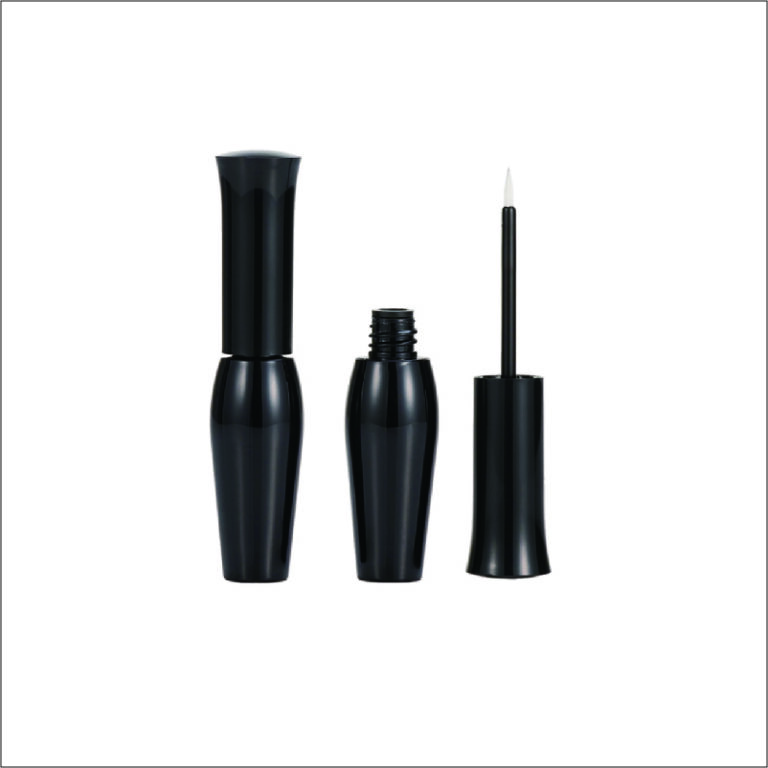
This is a Comparative Insight look—calm, claro—at where small design choices change user results. We’ll stack common designs against smarter ones, and see how tiny parts (like the wiper) carry outsized weight. Ready to see where the real friction hides? Let’s move.
The Deeper Layer: Traditional Tube Flaws You Don’t See
What are we missing?
Technical take: a classic tube has four points of failure—wiper geometry, stem length, seal tightness, and material barrier. The wiper controls dosing and tip shape. If its aperture is too tight for the formula’s viscosity index, it strips too much; if too loose, it floods. Either way, precision drops. The stem often stops short, leaving a ring of product at the base—drying over time due to oxygen ingress. A weak torque closure on the cap lets micro air flow in, raising the oxygen transmission rate (OTR) and thickening the formula. Injection molding seams can add micro-ridges that trap pigment. Look, it’s simpler than you think: small tolerances stack up—funny how that works, right?
Hidden pain points show up in daily use. The brush or felt tip depends on capillary action to feed color; if the wiper scrapes too hard, the applicator starves mid-stroke. If the resin isn’t a good barrier (think basic PET vs. multilayer or barrier resin), solvents evaporate faster and you feel drag. Users twist harder, shake more, press the tip, and still get skips. Then we toss what seems “empty,” though 5–8 good lines may remain. That’s not user error; it’s system design. Better stem reach, tuned wiper durometer, and a cleaner seat under the cap would cut waste and keep flow steady.
Next Moves: Comparing Smarter Builds and What’s Ahead
What’s Next
Semi-formal view, forward-leaning. New tube systems apply clear principles: stabilize viscosity with low-OTR walls, regulate dosing with progressive wiper chamfers, and maintain seal force with consistent thread torque. Some solutions borrow from airless tech—micro-valves, tighter headspace control—without losing the compact form. In side-by-side tests, optimized wipers raise recovery rates and keep the applicator wet longer between strokes. Refill-ready bodies also cut the “dead zone” at the heel. When you spec a liquid eyeliner tub with tuned stem reach and a stiffer seat, capillary feed stays stable even as the fill drops. Small details, big calm. (Your hand relaxes. The line follows.)
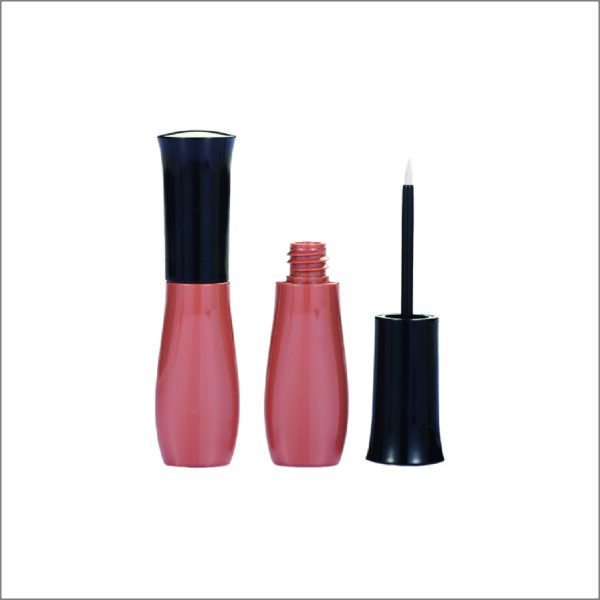
Case outlook: brands shifting to monomaterial PP bodies plus barrier coatings get better recyclability without sacrificing seal. Mixed with tighter tolerance in injection molding, the tube’s interior feels slicker, so less cling. Add a wiper designed for your formula’s rheology, and flow stabilizes through the bottle life—less shaking, less pressing, more glide. Users report fewer skips, and QA sees fewer returns due to dry-out. The price delta is modest; the margin win, not so modest—funny, right?
Before you choose, track three metrics: 1) wiper recovery rate across 50 strokes (does the tip re-wet fast?); 2) effective OTR of the assembled pack, not just raw resin; 3) torque retention after 200 open–close cycles (seal force matters over time). Pick a tube that scores solid on those, and your “last-week” line will look like day one. Shared in good faith, from bench to bag. NAVI Packaging